
How to Reply to OnlyFans Messages When You’re Doing It Alone
A working system for a creator running her own inbox: which hours to be online, what to answer first, how to keep messages personal at speed, a per-fan note that replaces memory, and the point at which alone stops working.
Written by Jonathan F. Published
Most creators run their own inbox for a long time before anyone else touches it, and most of the advice they find is written for teams. This is written for one person: the creator who answers everything herself, has a life outside the app, and wants the inbox to earn what it can inside those limits.
On the accounts we manage, about 74% of net revenue is earned in messages, so the inbox is the most valuable hour of a solo creator’s day and the one most likely to be done tired, late and half-attentive. The system below is what we would tell a creator who is not ready for a team yet. It is ordinary and it works.
Accept the shape of the problem
You cannot be online all day, and you should stop trying, because the attempt produces the worst version of the inbox: replies every forty minutes, each one short, none of them present. Fans can feel a half-attentive reply as clearly as a slow one.
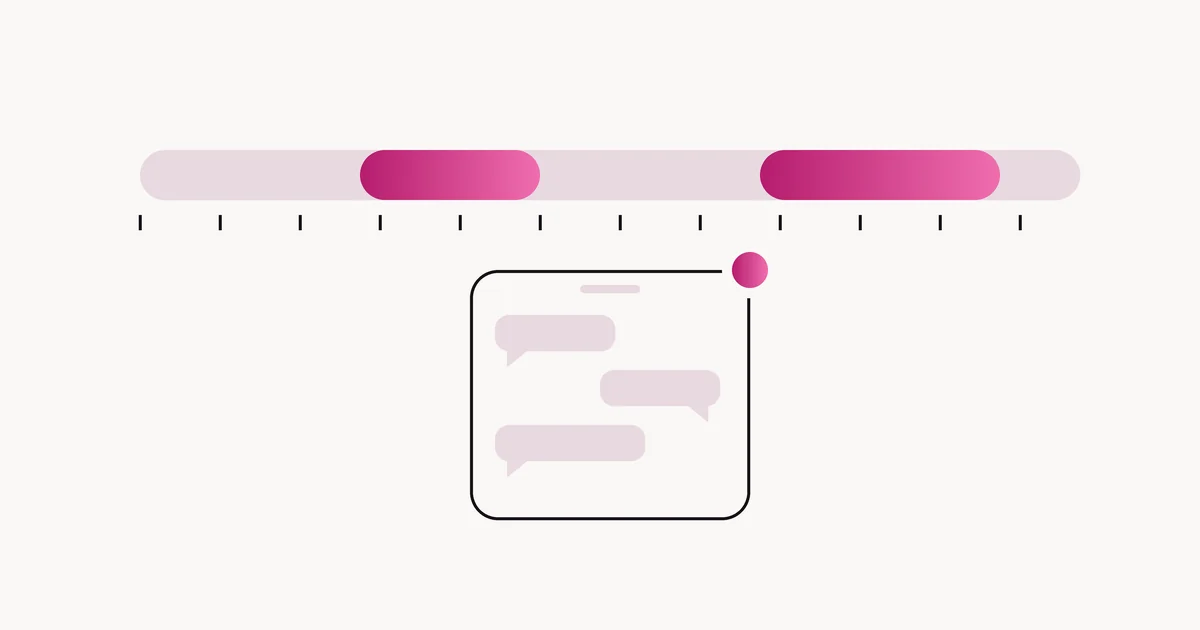
What one person can do is be fully present in defined windows and absent in between, honestly. A fan who gets a real reply in a window, and a slower reply outside it, keeps writing. A fan who gets a distracted reply every time drifts. The rest of this post is about making the windows count and covering the gaps as well as one person can.
Pick your windows from the data, not the clock
OnlyFans shows you when messages arrive and when purchases happen. Look at a few weeks of it before you choose your hours. Most accounts have two or three stretches of the day when the inbox is busiest, and they are rarely the hours the creator would have picked. Your fans are spread across time zones and their evening is not yours.
Choose two or three windows that cover the busiest stretches you can realistically keep, and keep them. Consistency matters here in a way that is easy to underrate: fans learn when you are around, and the ones who like talking to you will start turning up in those hours. A window you keep four days out of seven teaches them nothing.
The window you cannot cover is usually the overnight one, and it is usually the most expensive one to miss. Our post on reply speed explains why; for now, the honest position is that a solo creator forfeits most of it, and the aim is to lose as little of the rest as possible.
What to answer first when you sit down
You open the app to sixty unread messages. Do not start at the top. Triage, the way a professional shift does:
- Anyone mid-purchase. A fan who asked a price, asked what is in a set, or said “maybe later” before you went offline. If the moment is still warm, answer it first.
- Regulars who have written. The fans who buy most and talk most. They get a real reply, every time, before anyone else.
- New subscribers. A short first message in your voice with one real question and no pitch. First impressions decide whether they ever write again.
- Everyone else, in order, in as much time as the window has left.
Doing it in this order means that when the window runs out, what went unanswered is the part that cost least. Doing it top-down means the mid-purchase fan from an hour ago is still waiting while you greet someone who subscribed on a free trial and will not spend.
Keep it personal at speed
The thing a solo creator has that no team can copy is that it is actually you. The thing that erodes it is speed under pressure, when every reply starts looking like the last one. Two habits protect against that.
Templates for the shape, never the words. It is fine to have a rough shape for a first message, a re-open and a “no”; our piece on chatting scripts lays those shapes out. It is not fine to paste them. A shape is “one real question, no offer”; the question itself comes from what you can see about the fan and is typed fresh. The moment you paste, the fan reads a page, not a person.
Refer to one real thing per reply. His name, something he said last time, the set he bought. One reference is enough to make a message his rather than everyone’s, and it takes five seconds if you have the note described below.
The per-fan note that replaces memory
A team has spending history and shift notes beside every conversation. You have your memory, and after a hundred fans it will fail you. So write it down: one short note per fan who matters, kept in the notes field the platform gives you or in a spreadsheet. What he likes, what he has bought, anything he has told you about his life that he would expect you to remember, and anything he has asked for that you do not do.
That note is the whole difference between “hey, how are you” and “did the job interview go ok?”. It is also what makes the re-open possible: when a regular goes quiet, the note tells you what to mention. Five seconds per conversation to update it, and it pays for years.
Sell in the windows, not into the void
A PPV send is not a sale; the conversation after it is. So send your PPV at the start of a window, when you can stay online for the replies, and never at the end of one on your way to bed. A set sent at midnight and answered at nine has spent nine hours losing fans who wanted to ask one question before they bought.
Inside a conversation, the rule is the same as for a team: offer one specific thing when it is the natural next line, described so he can picture it, and accept a no in one message. The content-that-sells-in-messages post covers what to keep in stock so a good conversation in a window never has nothing to sell.
Write your boundaries down before you need them
Alone, the hardest messages are the ones that ask you to move a line, usually late, usually with a number. Decided in the moment, tired, the answer is inconsistent, and inconsistency is what fans push on. Decided in advance, in writing, it is a one-line reply.
So write the sheet: what you will not do at any price, what you offer only to fans with a history, what a custom costs and how long it takes. Keep it where you can see it. It is the same document a chat team would work from, and it is the first thing a manager would ask you for; the blank version is on the chatting service page.
Cover the gaps as well as one person can
- An auto-greeting for new subscribers, short and in your voice, so first contact is instant even while you sleep. It buys you until your next window; it does not replace the real first message you send then.
- A pinned or profile note about when you are usually around. Fans who know you reply in the evening stop reading a quiet morning as disinterest.
- No fake presence. Do not schedule messages to look online at 3am and then be unreachable when a fan replies. The gap is more forgivable than the impression of a gap being hidden.
Where alone stops working
There is a point at which this system, run well, is still leaving more on the table than it captures, and the honest sign is not the revenue figure. It is when the windows start slipping: when you are answering at 1am because the day filled up, when the notes stop being updated, when shoots get cancelled because the inbox ate the afternoon. At that point the inbox is costing content, and the content is what the inbox sells.
Our chatting service guide sets out the thresholds as we see them and the three ways to cover an inbox, with what each one costs. If you are past the point where alone works, apply and a manager will look at your inbox with you; if you are not, run the system above and check back in three months.
Questions creators ask
How do I reply to OnlyFans messages faster on my own?
Be online in two or three fixed windows chosen from when your inbox is actually busiest, and fully present in them. Triage when you sit down: fans mid-purchase first, then regulars, then new subscribers, then everyone else. Keep a one-line note per fan so a personal reply takes seconds, and send PPV at the start of a window so you are there for the replies.
Should I use message templates on OnlyFans?
Use templates for the shape of a message, never for the words. A shape is “one real question, no offer” for a first message; the question itself is typed fresh from what you can see about the fan. Pasted templates read as pasted within a few messages, and the fans who spend most are the first to notice.
What should I answer first when I have lots of unread messages?
Anyone who was mid-purchase when you went offline, then your regulars, then new subscribers, then the rest. Answering in that order means whatever goes unanswered when your time runs out is the part that costs least.
When should I stop doing my own OnlyFans messages?
When the windows start slipping: replies at 1am because the day filled up, notes that stop being updated, shoots cancelled because the inbox took the afternoon. At that point the inbox is costing content. The chatting service guide sets out the thresholds and the options, from hiring chatters to a managed team.
Want this handled for you?
Apply in two minutes and we will tell you exactly what we would change on your account.
See if you qualify